

17 Oct Shopify vs WooCommerce: Choosing the Best Platform for SEO & Sales
What every small business owner needs to know before picking a platform
Why Your E-commerce Platform Matters
Your e-commerce platform is more than just a shop front — it’s the engine that powers your online visibility. At Red Desk, we work with small business owners across Aylesbury, Wendover, High Wycombe, and throughout Buckinghamshire to set up and optimise stores that are ready to be found by your ideal customers.
Two platforms dominate the conversation: Shopify and WooCommerce. While both are excellent tools, they differ in how they handle SEO, Google integration, and social media selling.
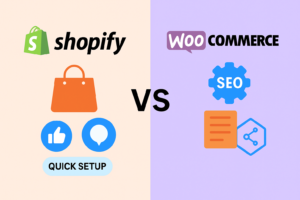
Shopify vs WooCommerce – Quick Comparison Table
| Feature | Shopify | WooCommerce |
| Ease of Setup | All-in-one, beginner-friendly. Hosting, security, and updates handled for you. | WordPress plugin – needs your own hosting and more setup time. |
| Google Integration | Native Google channel app for easy Shopping listings. Works well with Google Analytics 4. | Google Listings & Ads plugin available, integrates with GA4, but setup can be more hands-on. |
| Social Media Selling | Simple integration with Facebook, Instagram, TikTok. | Works with social platforms via plugins, but may require extra configuration. |
| SEO Control | Good for basic SEO, but less flexible for advanced changes. | Full control over SEO structure and plugins like Yoast or Rank Math. |
| Cost | Monthly subscription + app costs. Hosting included. | Free plugin + hosting fees + premium plugin costs. Can be cheaper, but add-ons can increase total cost. |
| Customisation | Limited to Shopify themes and apps unless you code. | Highly customisable with themes, plugins, and code access. |
| Best For | Visual product-led shops that want a quick, streamlined setup. | Blog-heavy brands, content marketing, and those who want advanced tracking & full control. |
Ease of Google Integration
If you want to get your products listed on Google quickly, Shopify’s native Google channel app is the fastest route. You can sync your store, run Shopping ads, and track performance without technical headaches.
WooCommerce also integrates with Google, but the setup can be more technical — great if you or your Virtual Assistant (like Red Desk) are confident working with plugins and custom settings.
 Best Use Cases for Each Platform
When to Choose Shopify
- Visual product-led shops needing a quick, professional setup
- Businesses relying heavily on Instagram, Facebook, or TikTok sales
- Owners who want minimal technical work
When to Choose WooCommerce
- Brands that publish a lot of blog content or guides
- Businesses needing complete control over SEO and site structure
- Stores that want advanced tracking and analytics options
Cost, Control, and Plugin Ecosystems
Shopify’s monthly subscription includes hosting, security, and updates, but certain apps cost extra. WooCommerce itself is free, but you’ll need to factor in hosting, security, and premium plugin costs.
If you want simplicity and speed → Shopify wins.
If you value customisation and control → WooCommerce is the clear choice.
The Visibility Sweet Spot – Pairing with Google + Social Media
At Red Desk, we recommend pairing your platform with:
- Google Shopping listings
- Facebook & Instagram Shops
- TikTok Shop (if your audience is there)
This multi-channel approach ensures your products show up where your customers are already looking.
Ready to Choose?
Not sure which platform is right for you? As a Virtual Assistant offering marketing services in Buckinghamshire — including Aylesbury, Wendover, and High Wycombe — Red Desk can:
- Recommend the right platform for your needs
- Set up your store for Google & social selling
- Optimise your SEO so you get found faster
📩 Get in touch today to start making your shop more visible online.
Continue the Series
If you missed the earlier blogs in this series:

Sorry, the comment form is closed at this time.